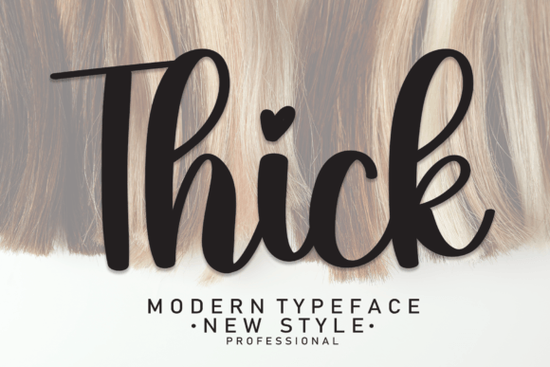
Sometimes you need more than just thin lines. You need presence. That is where Thick Font comes in handy. Whether you are making stickers or party invites, heavy lettering stands out. It provides a grounded feel that light typefaces often lack. This specific set of letters brings a bold handwritten touch suitable for various personal and business ventures.
Where Can I Use Bold Lettering Like This?
The biggest advantage of choosing heavier weights is visibility. When you design a logo for a new brand, clarity is essential. A thick style reads better from a distance. You will find it useful for signage, large banners, or even vehicle wraps. For smaller applications like product packaging, the legibility ensures customers know exactly what they are buying. Even watermarks on your portfolio photos gain authority with a sturdier appearance.
Most crafters use this style for physical goods. If you own a print-on-demand store, having assets that sell easily is key. Customers often request gifts that feel personal yet professional. Using a font like Thick makes home decor items look custom-made rather than mass-produced. Wedding planners appreciate its versatility too. It bridges the gap between formal calligraphy and modern graphic design.
If you are working on stationery, consistency matters. You need text that aligns well with other elements on the page. Labels benefit from this because they often have limited space. Thick letters take up room efficiently without needing extra scaling.
What Are Some Similar Alternatives?
While this specific family offers a unique vibe, designers often mix and match styles. Sometimes a single font isn't enough to carry an entire layout. Exploring different scripts can help you balance your composition. For example, if you need something softer for a romantic theme, you might browse collections featuring Soulmate script to contrast the heaviness elsewhere.
Feminine audiences may respond better to delicate curves mixed with strong headers. In those cases, checking out Ashley Southine provides a lovely counterpoint. It adds elegance without losing readability. For everyday social media graphics, a casual vibe works best. Something approachable like Hailey can break up text blocks effectively.
Modern brands often seek a clean aesthetic. Quincy offers that sleek look while maintaining a human element. Finally, children’s projects or seasonal campaigns demand energy. Bright options such as Sunshine inject fun into otherwise serious designs. Mixing these allows you to create depth in your visual hierarchy.
How Do I Prepare My Files for Production?
Once you select your typography, technical setup becomes important. Most marketplaces supply OpenType or TrueType formats. These work with software like Illustrator, Photoshop, or Cricut Design Space. Before uploading anything, always check the license agreement included with the download. Personal projects usually require one rate, while commercial work needs a separate permit.
If you plan to modify the shapes, vector files are ideal. You can adjust the path points to fit your canvas perfectly. Remember to ungroup everything before saving so layers remain editable. Exporting at high resolution prevents blurriness when printed. For web use, convert to SVG if supported by your platform. This keeps the edges sharp on mobile devices.
Licensing is also vital for creators selling physical items. Ensure you have the right to use the design on mugs, t-shirts, or books. Some packages allow unlimited sales, while others cap earnings. Understanding these terms protects your business from legal issues later.
Why Choose Handwritten Styles Over Sans-Serif?
In a sea of digital noise, hand-lettering feels authentic. People crave connection with the creator behind the screen. Typed text often feels robotic or distant. A script connects emotions directly to the message. This is why influencers rely on signature-style text for quotes and captions.
Furthermore, uniqueness matters in marketing. Every letter has slight variations that mimic actual pen strokes. This imperfection creates trust. Viewers sense that a real person crafted the piece. That emotional bond translates into higher engagement rates.
When selecting assets, focus on character sets. Does it include numbers and special symbols? Currency signs or punctuation are necessary for realistic mockups. Missing characters force you to search elsewhere, wasting valuable time during tight deadlines. Always preview the full library before committing.
To get the most out of your purchase, verify compatibility with your hardware drivers. Old versions of design programs sometimes struggle with newer unicode standards. Updating your editor helps prevent crashes. Additionally, backing up your downloads ensures you don’t lose access after subscription changes.
Quick Design Checklist
- Readability: Test your text against the background color for contrast.
- Kerning: Adjust spacing manually if auto-tracking looks too wide.
- Bleed Area: Leave space around edges when exporting for cutting machines.
- Fonts License: Confirm if commercial use is permitted for your specific project type.
- File Backup: Save a master copy in editable PDF or vector format.
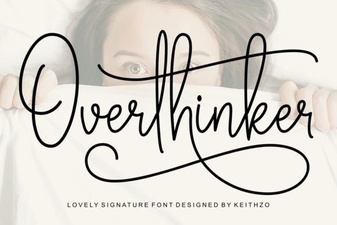 The Creative Designer's Overthinking Font
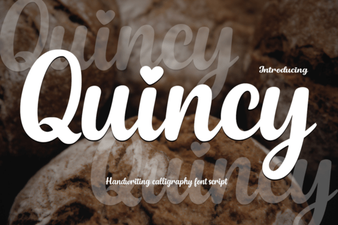 Quincy Font for Creative Digital Projects
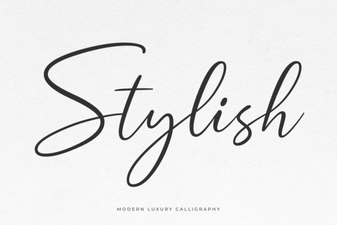 Fonts That Bring Style to Your Designs
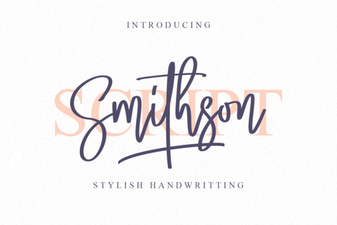 Smithson Font: Creative Design & Free Download
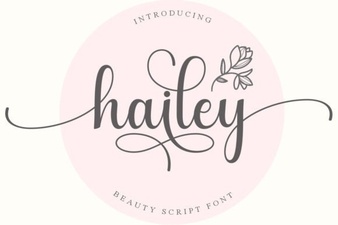 Hailey Font: Download & Design Tips
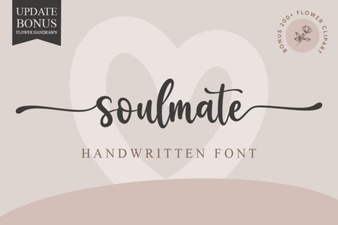 Design & Use Ideas for Your Soulmate Font Projects