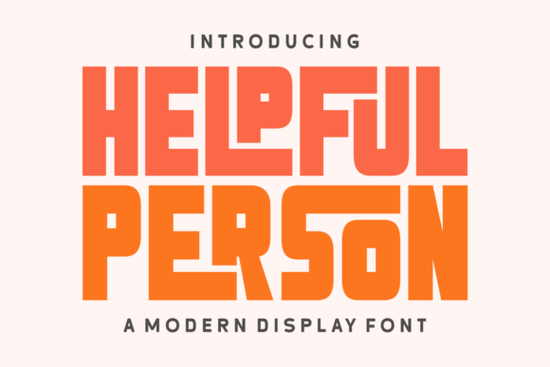
If you are working on a creative project that requires a touch of nostalgia, finding the right typography is crucial for setting the mood. Many designers find it difficult to locate typefaces that balance vintage charm with modern readability, especially when creating materials for small businesses or seasonal campaigns. This is where Helpful Person becomes a valuable asset. Its distinct retro display style offers a solution for branding, labels, and posters that need to evoke specific emotions without feeling dated. By choosing a font with genuine character, you ensure your visual communication resonates more deeply with your audience.
How does this font blend retro aesthetics with modern functionality?
The Helpful Person Font was designed to capture the spirit of warmer times while maintaining structural integrity for digital and print media. It features chunky, imposing block structures softened by gentle curves and playful ligatures. Unlike standard serif or sans-serif options, this face carries a personality that reads easily even at large sizes. This is particularly important for event posters or packaging where attention spans are short and legibility is key.
When applying this typeface, you will notice it works exceptionally well for headers and compact text designs. The unique magnetism of the letters ensures they remain readable without sacrificing style. Whether you are designing Christmas branding or Thanksgiving celebrations, the aesthetic fondly harks back to the seventies but avoids looking cluttered. It creates a recognizable visual identity instantly.
Consider the following scenarios where this font excels:
- Holiday marketing materials: Seasonal flyers gain immediate warmth.
- Vintage clothing labels: Adds authenticity to retro-styled fashion lines.
- Impactful event posters: Draws attention in crowded feeds.
What makes the technical construction suitable for professional work?
Beyond its appearance, the utility of this typeface lies in its robust file architecture. Most display fonts struggle with extensive character sets, often limiting users to basic A-Z characters. In contrast, this collection uses PUA encoding, which opens access to a wealth of glyphs and ligatures. This allows you to craft custom text effects that would be difficult to replicate manually. The inclusion of diverse symbols ensures your messaging remains complete and expressive.
For those interested in expanding their library with complementary styles, browsing similar categories can inspire new directions. Lemon font offers a brighter, citrus-inspired energy that might suit summer themes. Meanwhile, Summer Chunky font provides a heavier alternative for bold headlines if you prefer less curvature. If your project leans toward the spooky side of the spectrum, checking out Bubble Skelly Font could add festive variety.
How do I access the hidden glyphs and ligatures?
To utilize the full potential of the extended character set, you will need compatible software and correct installation steps. Because PUA encoding relies on specific mapping within your operating system, ensuring your design application recognizes these characters is essential. Once installed, look for the alternative forms in your OpenType features menu. This is often where the most effective design elements hide.
If your needs differ significantly, perhaps requiring a style tailored for children rather than adults, exploring KidPop Font might be a better fit. That option focuses on soft edges and playful shapes ideal for educational materials or younger demographics. Knowing when to switch between styles prevents a monotonous visual experience across different platforms.
Are there common mistakes to avoid when using this display face?
Even with a versatile typeface, overuse can diminish its impact. The goal is to strike a balance where the font supports the message rather than overpowering it. Using large amounts of body text in a heavy display face can strain the eyes and reduce comprehension. Reserve it for titles, pull quotes, or significant graphical elements.
Another common issue involves color choice and spacing. The contours of these blocks interact heavily with negative space. Ensuring sufficient kerning allows the individual characters to breathe. Pairing warm background colors with dark ink can enhance the cozy, nostalgic effect described in the original design intent.
Quick Checklist for Implementation
- Review the License Agreement: Confirm whether the font is allowed for commercial projects or merchandise production.
- Install Correctly: Ensure both .OTF and .TTF files are saved in your local font folder.
- Test Readability: Print a physical sample to verify clarity at the final production size.
- Select Colors Carefully: Pick palettes that complement the vintage aesthetic rather than clashing with the retro style.
- Pair with Simple Types: Match the display font with a plain sans-serif or serif for body copy to maintain hierarchy.
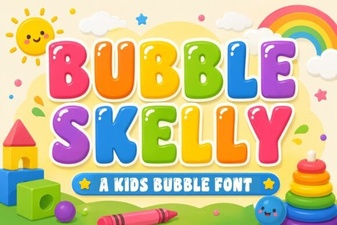 Bubble Skelly Font: Creative Design Inspiration
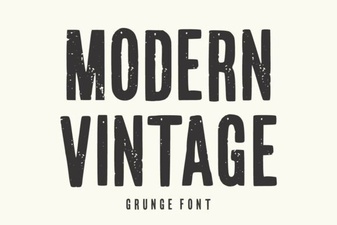 Modern Vintage Fonts for Creative Designs & Projects
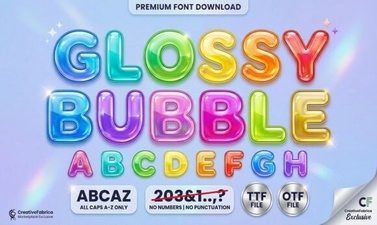 Glossy Bubble Fonts: Creative Design Ideas
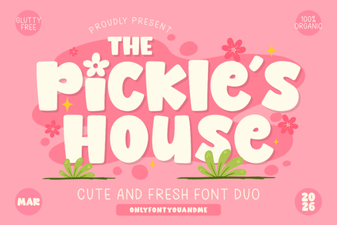 Pickle House Font Tips & Creative Project Ideas
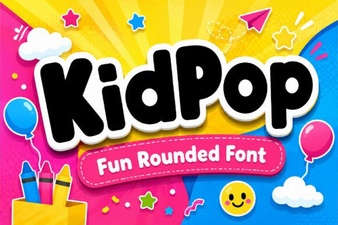 Kidpop Font: Playful Designs & Creative Projects
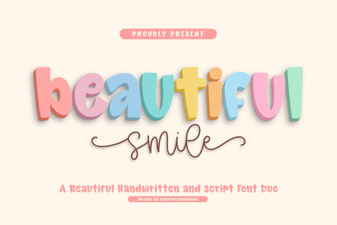 Beautiful Smile Font: Download for Creative Design Projects