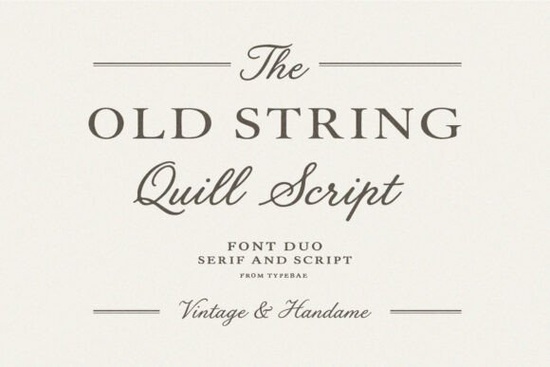
Typography dictates the initial impression of any visual project. When you need to communicate history and sophistication simultaneously, specific typefaces offer the most reliable solution. For designers seeking a blend of structural stability and fluid expression, the Old String Font is an ideal choice. It bridges the gap between formal printing and artistic handwriting, making it suitable for projects ranging from luxury brand identities to intimate stationery.
How do the serif and script components interact?
The core strength of this typeface lies in its duo configuration. One side offers a classic serif structure, providing legibility and authority. This foundation ensures that essential information remains clear even when printed at smaller sizes. The accompanying script element introduces a graceful quill style, mimicking the motion of a hand-penned letter. This combination prevents the design from feeling too rigid or corporate, which is often a concern with standard business fonts.
Balanced contrast is the key here. You do not sacrifice readability for artistry, nor do you lose personality to uniformity. The warm curves of the script soften the sharp edges of the serifs, creating a cohesive narrative. Whether you are setting a main headline or signing a decorative footer, both characters work together to establish a unified voice. If you are interested in exploring similar structured options, you can browse through curated serif font collections to compare various weights and x-heights.
Where should this pairing be applied?
This specific font duo excels in scenarios where emotional connection matters alongside clarity. It creates a distinct atmosphere of heritage and refinement. Wedding invitations benefit significantly because the script adds a romantic touch while the serif maintains the necessary readability for dates and addresses. Packaging for artisanal goods also sees great results, as the vintage aesthetic signals quality ingredients or traditional craftsmanship.
Social media graphics and editorial layouts require fonts that hold attention without overwhelming the image. The Old String Font provides that focal point. However, every project has different lighting requirements. If your current layout feels too dark or heavy, you might compare bolder font styles to adjust the visual weight. Conversely, some creative hobbies demand a softer, airier presence. In those cases, looking into lighter ethereal options might provide the right balance for delicate imagery.
Logos designed with this set carry an immediate sense of trust. Small businesses often struggle to convey professionalism without appearing stiff. By integrating the handwritten flow, owners can signal approachability and care. For instance, a boutique bakery logo utilizing this font appears welcoming and established at the same time. It avoids the coldness associated with digital-only typefaces.
What technical considerations exist for POD sellers?
Crafters and print-on-demand sellers frequently encounter challenges regarding file compatibility and licensing terms. While specific terms vary by platform, having access to high-resolution files is non-negotiable. Most creators require vectors for scaling logos onto merchandise without blurring. Ensuring your software supports the encoding correctly is vital before starting production.
When sourcing assets for commercial use, always verify the license attached to the download. Many platforms allow commercial application, but restrictions on resale may apply. Searching for the specific asset helps streamline this verification process. You can find the Old String file pack directly to review its documentation. This transparency saves time and protects you from potential legal issues down the road.
Legibility testing should happen on both screens and physical prints. A font that looks perfect on a monitor might struggle on textured paper or curved surfaces. Adjusting kerning manually often compensates for these variances. Pay close attention to how the capital 'O' sits next to lowercase letters. Proper spacing ensures the design breathes properly, preventing ink blobs or tight clusters.
Implementation checklist for best results
- Verify Licensing: Confirm whether your specific use case falls under personal or commercial guidelines.
- Test Scale: Resize the design to very small dimensions to ensure the serifs do not disappear.
- Match Backgrounds: Use light backgrounds for black text to maintain the crisp vintage feel.
- Pair Carefully: If adding secondary text, choose a neutral sans-serif rather than another script.
- Export Formats: Save as PDF for print shops and PNG/SVG for digital marketing materials.
Ultimately, the goal is consistent execution across all channels. Using a font that conveys warmth and reliability helps build long-term customer relationships. Take the time to test your layout in real-world scenarios before finalizing your campaign.
Get Started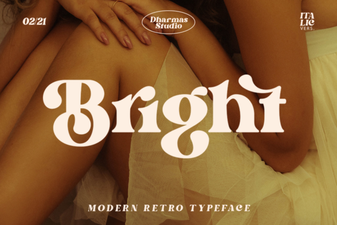 Bright Fonts to Elevate Your Website's Design and Usability
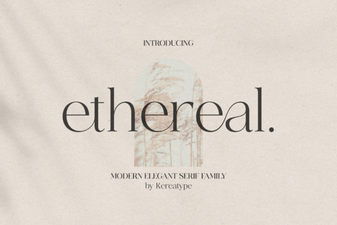 Ethereal Fonts for Creative Web Design Projects
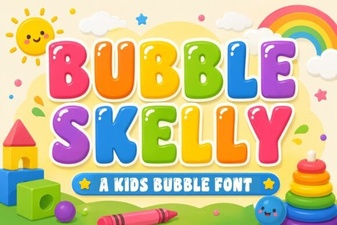 Bubble Skelly Font: Creative Design Inspiration
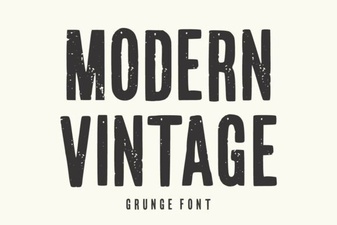 Modern Vintage Fonts for Creative Designs & Projects
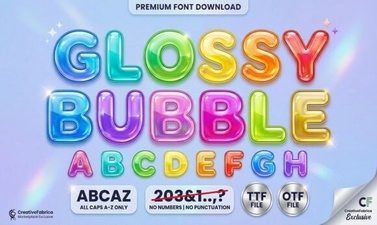 Glossy Bubble Fonts: Creative Design Ideas
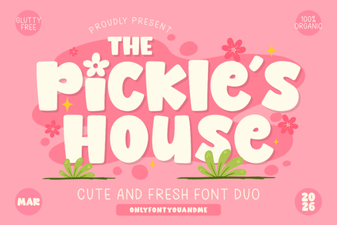 Pickle House Font Tips & Creative Project Ideas